Moisture detection, not guesswork
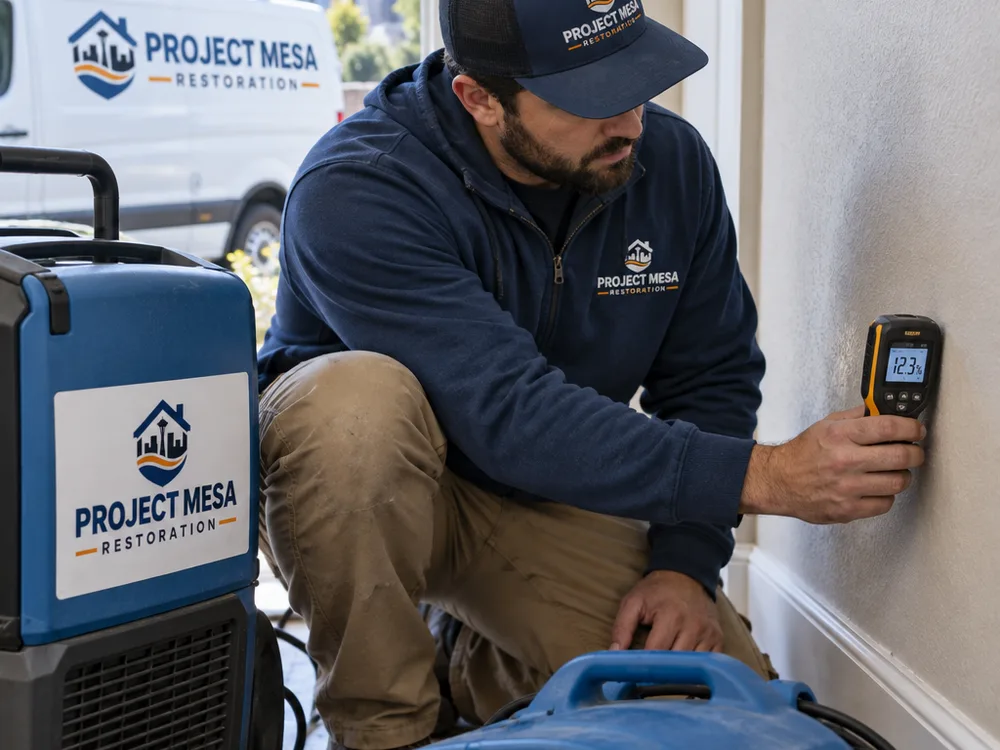
We map the wet areas with moisture meters and thermal imaging where appropriate, then dry to targets for each material. This is how you avoid leaving damp framing or drywall behind a clean-looking surface.
Serving Seattle, Washington & surrounding areas
Water Restoration · Tacoma, WA
Fast response, clear documentation, and careful drying so you can stop the damage, protect what matters, and move toward repairs with a plan.
If you are dealing with a leak, overflow, or storm intrusion, the first hours matter. Water moves into flooring, baseboards, drywall, and insulation quickly, and moisture that is left behind can lead to swelling, staining, and microbial growth.
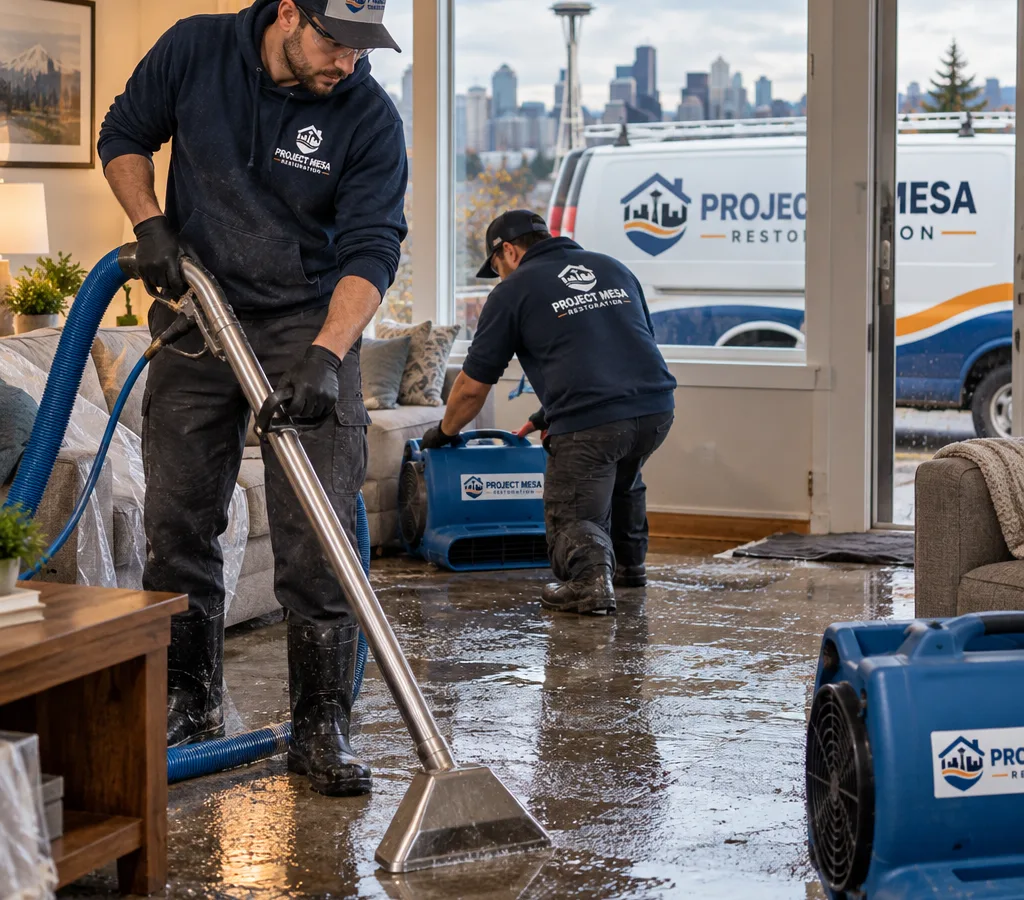
Project Mesa Restoration handles water restoration Tacoma property owners rely on when they need a calm, organized response. We start by stopping the source when possible, removing standing water, and setting a drying plan based on what is wet and what materials are involved. You will get straightforward updates on what we found, what we are doing next, and what needs to happen for water damage repair in Tacoma.
As a water damage restoration company across the Seattle area, our crews are used to the building types and weather patterns across the South Sound, including older homes with plaster walls and layered flooring, as well as newer construction with engineered materials that can trap moisture in hidden cavities.
Complete Mitigation Scope
We map the wet areas with moisture meters and thermal imaging where appropriate, then dry to targets for each material. This is how you avoid leaving damp framing or drywall behind a clean-looking surface.
We set air movers and dehumidifiers to match the size of the loss and the materials affected. The goal is steady, measurable drying without causing secondary damage.
If materials are deteriorated or there is risk of contamination, we isolate the work area and use negative air and filtration so the rest of the home stays livable when possible.
We focus on what can realistically be saved: hardwood that can be stabilized, cabinets that can be dried in place, and contents that can be cleaned and dried safely.
Photos, readings, and a clear scope help when you are coordinating with property management, a plumber, or an insurance adjuster.
Know What Made It Wet
Tacoma water damage calls come in many forms, but the restoration approach is usually the same: remove water, find the full extent of moisture, then dry and remove materials that cannot be saved.
Typical situations include supply line leaks under sinks, refrigerator or dishwasher failures, toilet overflows, water heater leaks, roof leaks after wind-driven rain, and crawl space seepage that wicks up into subfloors. In areas with older housing stock, we often find multiple layers of flooring—vinyl over plywood over original hardwood—which can hide moisture and slow drying.
If you can do it safely before we arrive, shut off the water source, avoid using household vacuums on standing water, and keep foot traffic off swollen flooring. Save any broken parts or appliance hoses for documentation. When we get there, we will confirm what is wet, what is likely affected behind the surface, and what the next 24 to 72 hours should look like.
When a loss involves the City of Tacoma sewer system or an unknown source, we treat it cautiously until the water category is confirmed.
From Extraction to Repair Planning
We look for electrical hazards, ceiling sag, and contaminated water risks. If the water source is still active, we help stabilize the situation and coordinate any needed plumbing or roof work.
Standing water is removed first. Then we open up affected areas only where necessary, such as pulling baseboards, drilling weep holes, or removing saturated drywall and insulation that will not dry properly.
We place dehumidifiers and air movers based on the affected materials and layout. We also set containment when dust or contamination could spread through the home.
We re-check moisture content and adjust equipment to keep drying moving in the right direction. This is often where hidden wet pockets are found around cabinets, behind showers, or under layered flooring.
Once dry goals are met, we clean the work area, address odors when appropriate, and provide a clear scope for the repair phase so you can move forward without delays.
Measured Work in Real Spaces

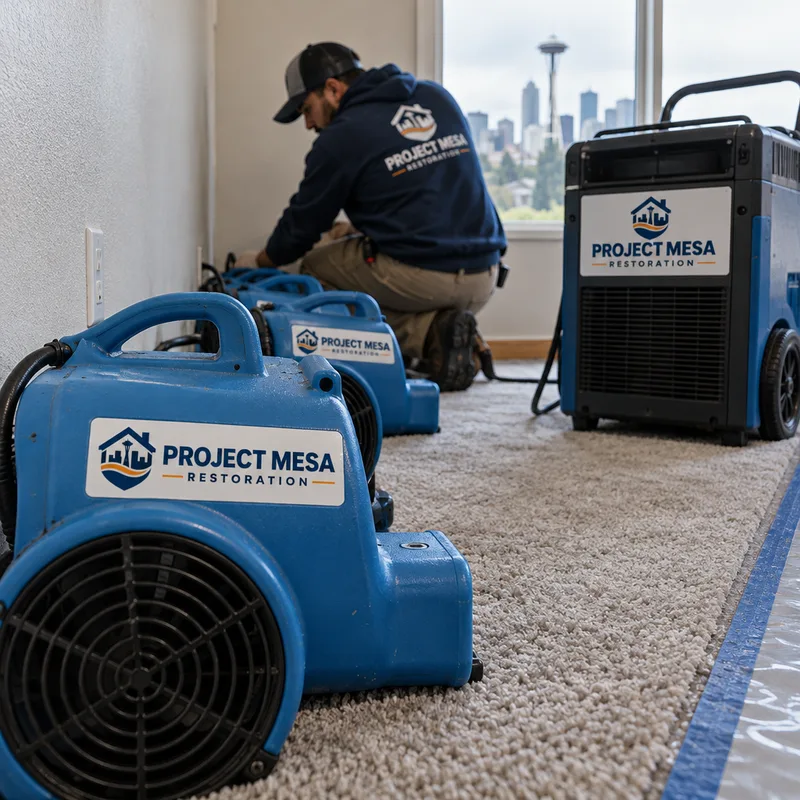
Water restoration in Tacoma typically ranges from about $1,200 to $6,500+, depending on how much area is wet and whether materials must be removed. A small, clean-water loss limited to one room is often on the lower end, while multi-room damage, wet crawl spaces, or saturated drywall and insulation increase the scope.
Final price changes with water category—clean versus contaminated—how long the water sat, equipment days needed, access such as tight crawl spaces or multi-story carry, and the amount of rebuild work after drying. Exact costs are confirmed after an on-site inspection and moisture mapping.
Practical Answers
If you are seeing bubbling paint, swollen baseboards, damp carpet, or a musty smell after a leak, getting professional moisture mapping now can prevent a small problem from turning into a larger repair.
Call for Emergency HelpTell us what happened and what areas are affected. We will explain the next steps, what can likely be saved, and what the drying and repair plan should look like before any work begins.