Measured drying, not guesswork
We document moisture levels and adjust equipment placement as conditions change. This helps avoid both under-drying, which can leave odor and damage, and over-drying, which wastes days.
Serving Seattle, Washington & surrounding areas
Water Damage Restoration · Lynnwood, WA
Fast response, careful drying, and real repairs that prevent moisture from coming back. Get a clear scope, documented conditions, and a plan to return your space to normal.
Water spreads farther than it looks. In a typical Lynnwood water damage situation, the visible puddle is only part of the problem. Moisture wicks into baseboards, drywall, insulation, subfloors, and cabinets. Within a day or two, odors and microbial growth can start, and materials that might have been saved become a full replacement.
Project Mesa Restoration handles water damage restoration in Lynnwood with the goal of stopping the source, stabilizing the structure, drying the building the right way, and completing the water damage repair so you can use the space again. Our team works across the north Seattle area, including Lynnwood, and we coordinate around real-life constraints like occupied homes, pets, and business hours.
If you are comparing options for who should handle the work, we are water damage restoration pros in the Seattle area who focus on practical steps that protect the building: measured drying, proper removal of unsalvageable materials, and repairs that close the loop instead of leaving you with a half-finished demo.
Dry, Clean, and Repaired
Every loss is different, but the core work is consistent: stop the water, remove what cannot be dried, dry what can, and rebuild what was removed.
Common Lynnwood water damage calls we respond to include supply line leaks under sinks, failed washing machine hoses, water heater leaks, toilet overflows, roof leaks during heavy rain, and seepage that shows up along exterior walls or in crawl spaces.
Our restoration work typically includes:
Because the Seattle region stays damp for much of the year, leaving materials partially wet often leads to recurring odor or staining later. We aim to dry to a verifiable endpoint before the rebuild phase starts.
Documented Restoration
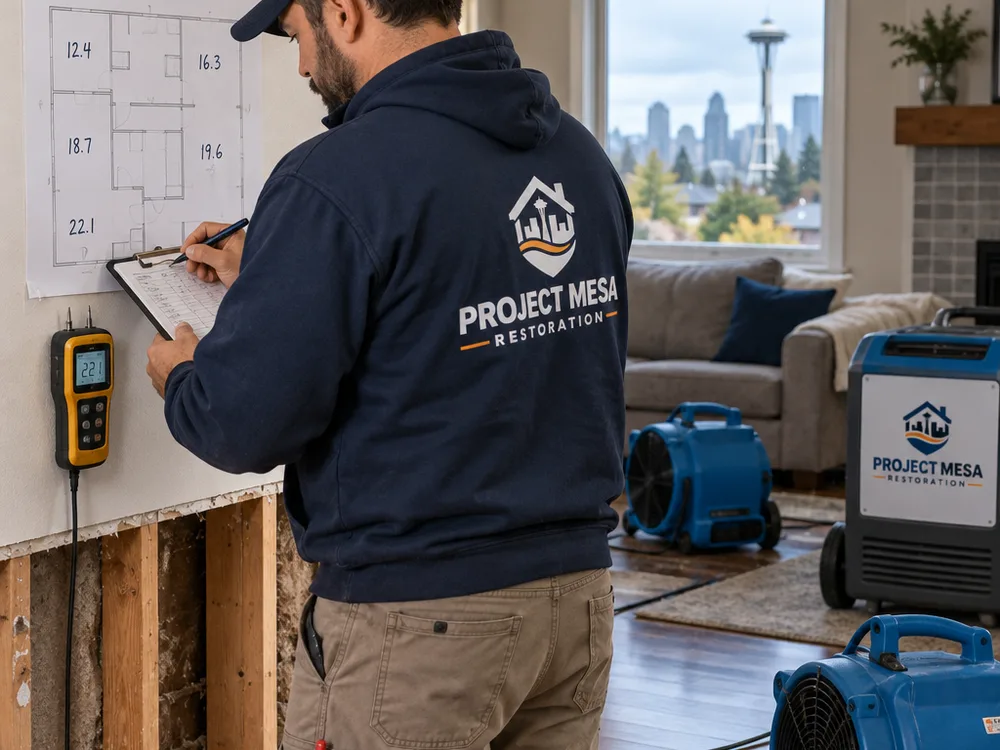
We document moisture levels and adjust equipment placement as conditions change. This helps avoid both under-drying, which can leave odor and damage, and over-drying, which wastes days.
Clean water, gray water, and sewage-contaminated water require different handling. We explain what category you are dealing with and what must be removed versus cleaned.
If drywall or flooring has to come out, we set practical containment to reduce dust and keep unaffected areas usable when possible.
Drying is only half the solution. We complete the water damage repair so the space is put back together, sealed, and ready for everyday use.
We can provide photos, notes, and moisture readings. This is useful whether you are self-managing or coordinating with an insurance adjuster.
From Water Source to Final Repair
We identify active leaks, evaluate electrical and slip hazards, and help confirm the water is stopped. If a plumber is needed, we coordinate timing so drying can begin as soon as the source is controlled.
We inspect affected rooms and adjacent areas. Using moisture meters and thermal imaging, we map where water traveled, including behind baseboards and under flooring edges.
We extract standing water, pull saturated pad or damaged flooring when required, and remove wet drywall or insulation when it cannot be dried safely or effectively.
We place air movers and dehumidifiers to create a controlled drying environment. Monitoring visits track moisture reduction and guide any equipment changes.
After drying, we clean and treat affected structural surfaces as appropriate for the water category and conditions, then confirm the area is ready for repairs.
We complete repairs such as drywall, texture, paint, trim, and flooring transitions. Before we wrap up, we walk the space with you so you know what was done and what to watch for.
Most Lynnwood water damage restoration projects typically range from about $1,500 to $8,000+, with small clean-water losses on a limited area often landing toward the lower end and larger losses with removal and rebuild climbing higher. If sewage is involved or multiple rooms are affected, costs can rise substantially.
Final pricing depends on the amount of water, how far it traveled through walls, subfloor, or cabinets, material types such as hardwood versus carpet or plaster versus drywall, access to crawl spaces and tight rooms, and how much repair work is required after drying. The exact cost is confirmed after an on-site inspection and moisture mapping.
Drying and Repair in the Field
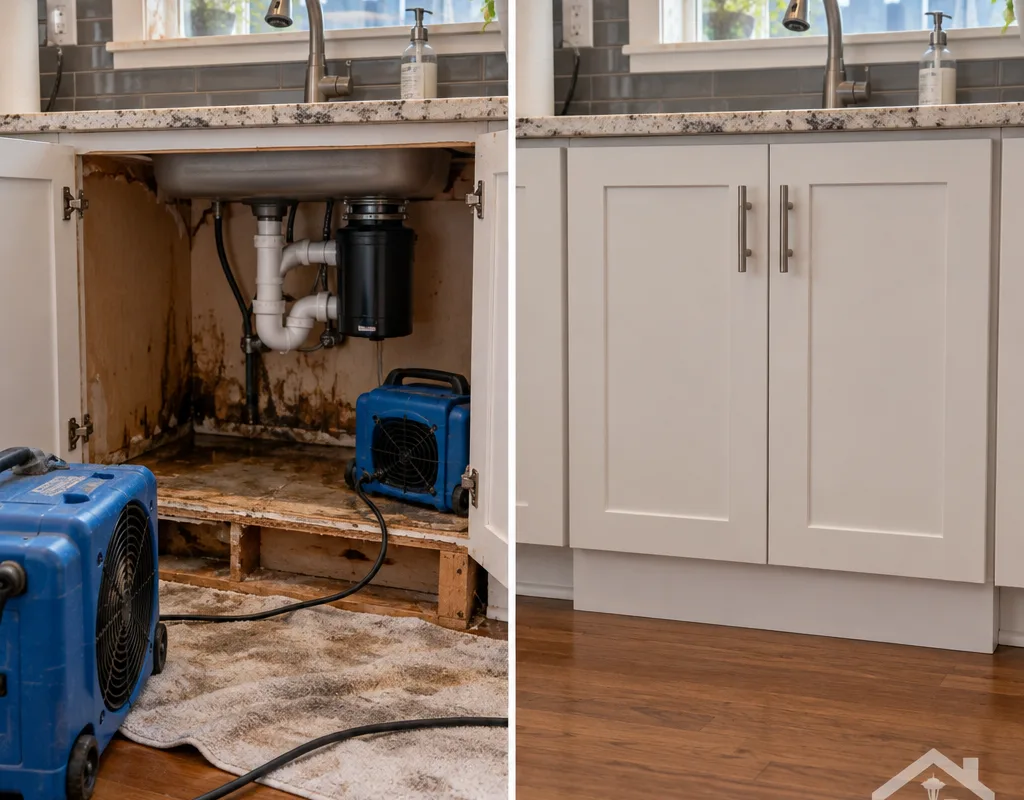
If you see bubbling paint, warped flooring, a musty smell, or staining that keeps spreading, it is worth getting the moisture checked now so the repair stays contained.
Call for Emergency HelpPractical Answers
Tell us what happened and what areas are affected. We will schedule an inspection, map the moisture, and give you a clear plan for drying and repair so the damage does not keep spreading.